
The quiet machinery of suspense
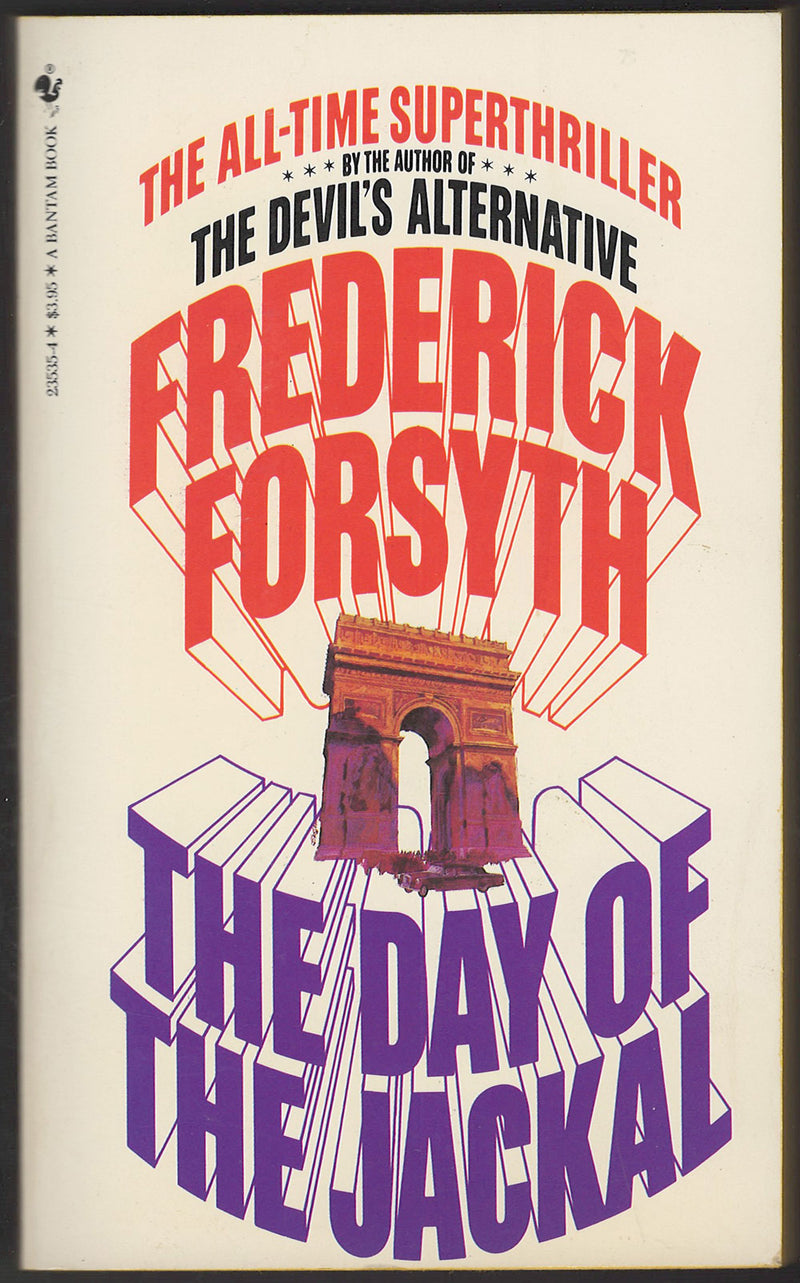
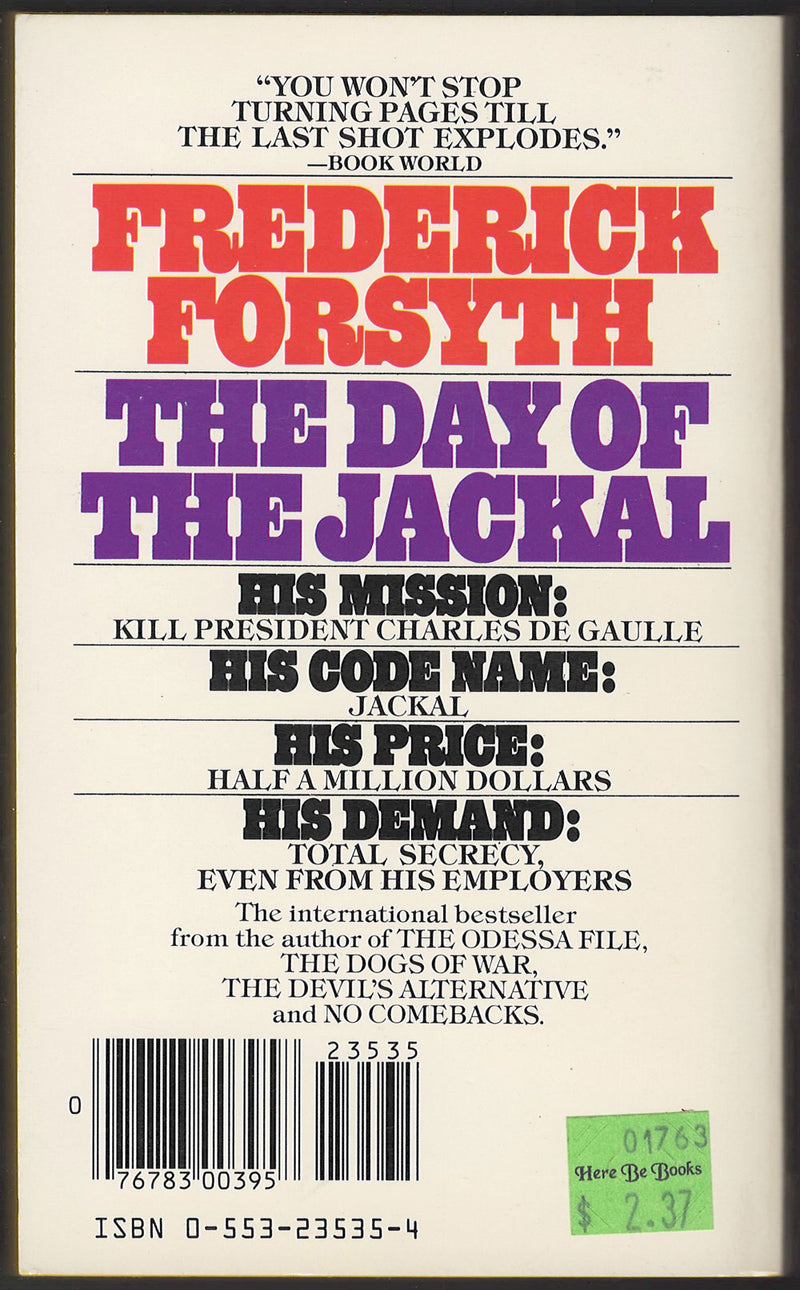
Frederick Forsyth’s thriller follows an anonymous assassin hired to kill Charles de Gaulle and the effort to stop him. Its central tension comes from a contest of preparation and discovery: one side tries to remain invisible while the other tries to turn fragments into a usable picture.
As a reading experience, it rewards attention to process. The details do more than decorate the setting; they make time feel measurable. Each small development changes what the reader expects from the next scene.
A line that turns the story
“By a quirk of fate it marked a beginning”
This fragment captures an effective storytelling move: something that appears to close a chapter instead sets a larger chain of events in motion. Watch for the way Forsyth connects consequences across scenes.
A small window into the page
Chapter one · Opening fragment
“It is cold at 6:40 in the morning of a March day in Paris”
The opening gives us a time, a season, and a place before asking us to follow the action. Its precision sets the tone for the investigation that follows.
Quote source: Penguin Random House’s authorized excerpt. The linked publisher preview and the vintage cover photographs represent different editions.
A question for the last page
How much suspense came from wondering what would happen, and how much came from wanting to understand how it could happen? That distinction makes this a compelling book to discuss with anyone interested in the construction of a thriller.
No comments yet. Be the first to share a thought.